
 English
 русский
 Español
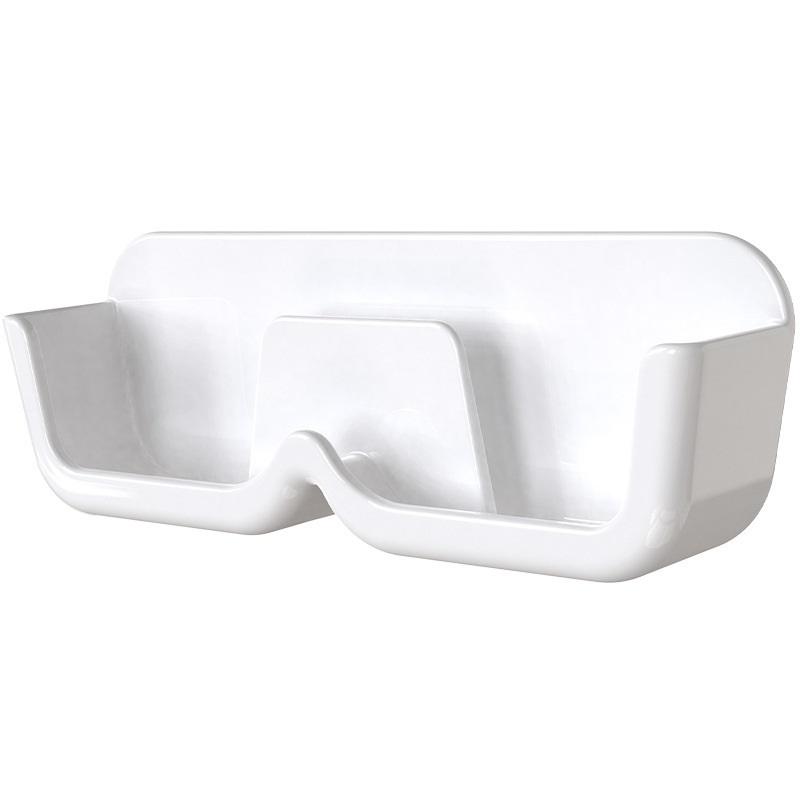
Wall-Mounted Non-porous Eyeglass Storage Case
Elevate your eyewear organization with our Wall-Mounted Non-Porous Eyeglass Storage Case. This thoughtfully designe...



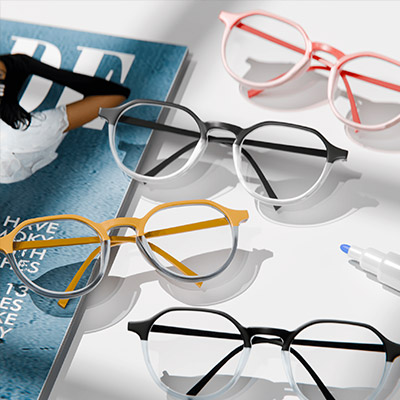



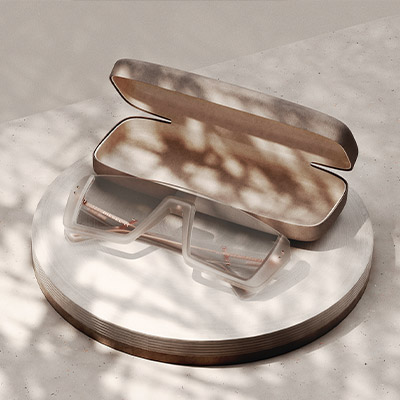
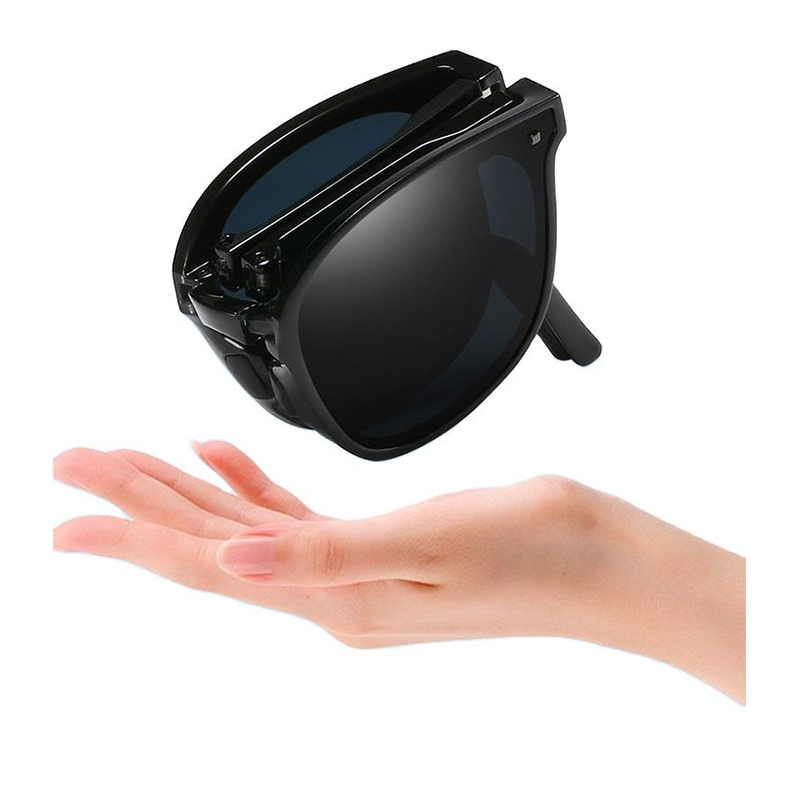
Sports cycling glasses are specialized eyewear designed to protect a cyclist's eyes and enhance visual clarity during riding. Their design addresses the unique environmental and physiological demands of the sport, differing from standard sunglasses or safety glasses. As equipment that directly affects safety and comfort, several practical questions frequently arise regarding their necessity, features, and proper use. Addressing these questions clarifies their role and aids in making informed selections.
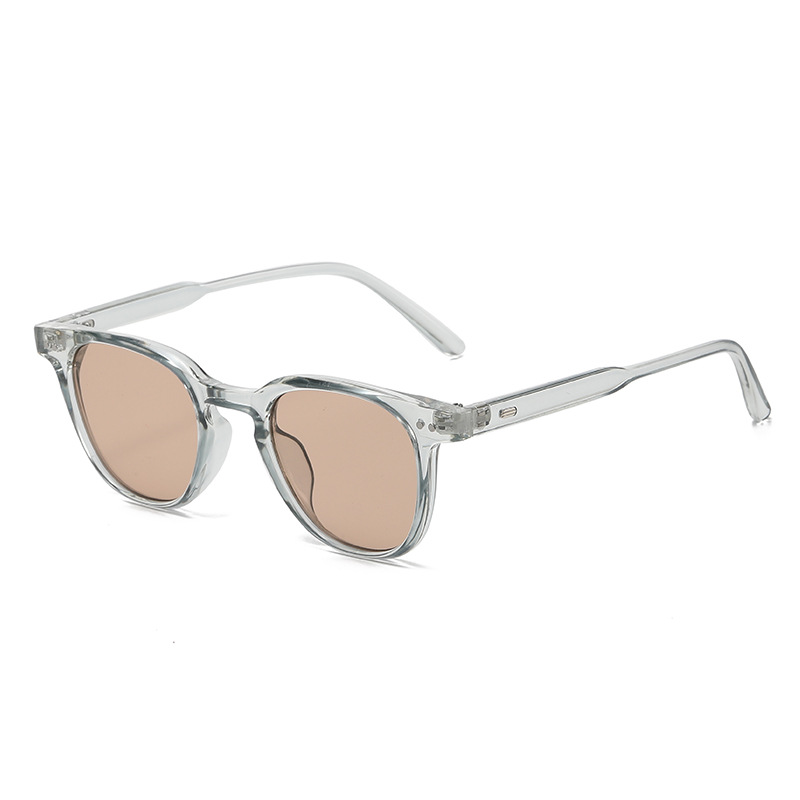
Why are specialized glasses necessary for cycling, and what are their core functions?
Specialized glasses are considered necessary due to the combination of speed, environmental exposure, and safety requirements inherent to cycling. Their core functions address specific, recurring issues faced by riders. The primary function is physical protection. At typical cycling speeds, insects, dust, road debris, and wind can strike the eyes, causing discomfort, blurred vision, or injury. A close-fitting wrap-around design with impact-resistant lenses creates a protective barrier.
The second function is managing optical conditions. Glasses combat glare from the sun, reflections from wet roads, and low-angle light during dawn or dusk. They also shield eyes from drying wind, which can cause excessive tearing and blurred vision. The third function is enhancing visual contrast and clarity. Many lens tints and coatings are designed to filter specific light wavelengths, making details in the road surface, terrain, and obstacles more distinct, which is important for anticipating changes and reacting safely.
What are the key features to consider when selecting cycling glasses, and how do lens options differ?
Selection should be based on fit, lens technology, and intended riding conditions. A primary consideration is fit and ventilation. The frame should sit comfortably on the nose and temples without pressure points and have enough wrap to block lateral wind without restricting peripheral vision. Adequate ventilation, often through channels or vents in the lens or frame, is critical to prevent fogging caused by body heat and exertion.
Lens interchangeability is a common feature in mid-to-high-tier models. It allows a rider to swap lenses optimized for different light conditions—a dark tint for bright sun, a yellow or rose tint for overcast days, and a clear lens for night riding. The differences in lens options are defined by their Visible Light Transmission (VLT) percentage and tint color. A low VLT (e.g., 10-20%) is for bright sun, while a high VLT (e.g., 70-90%) is for low light. Amber or rose tints enhance contrast in flat light, making shadows and textures more visible.
Other key features include a secure retention system, such as adjustable nose pads and temple tips, to keep glasses in place during vigorous movement or impacts. Lens coatings are also important; a hydrophobic coating sheds water, while an anti-fog coating on the inner surface manages condensation.
How do photochromic lenses work, and are they a suitable alternative to interchangeable lenses?
Photochromic lenses contain embedded molecules, such as silver halide, that undergo a reversible chemical change when exposed to ultraviolet (UV) light. When UV rays hit the lens, these molecules darken, reducing visible light transmission. When UV exposure decreases (e.g., moving into shade or as daylight fades), the molecules revert to their clear state, allowing more light to pass through.
They are a convenient alternative to interchangeable lenses, eliminating the need to stop and swap lenses as light conditions change. Their suitability depends on riding patterns. They are effective for rides that transition between full sun and tree cover, or for long events where light conditions evolve. However, they have limitations. The transition speed is not instantaneous, taking one to several minutes to adapt. Their level of darkness is often less than that of a dedicated dark tint for intensely bright conditions, and they rely on UV light to trigger; they will not darken behind a car windshield or with certain types of UV-blocking coatings already on the lens. For riders in consistently variable conditions who prioritize convenience, they are a suitable option; for those who demand , condition-specific performance, interchangeable lenses are often preferred.
What is the proper maintenance routine to ensure longevity and performance?
Regular maintenance preserves optical clarity, coating integrity, and frame function. After each ride, glasses should be rinsed with lukewarm water to remove sweat, salts, sunscreen, and dust. These substances can degrade lens coatings and frame materials if left to accumulate. They should then be dried with a microfiber cloth designed for lenses; using clothing or paper towels can scratch coated surfaces.
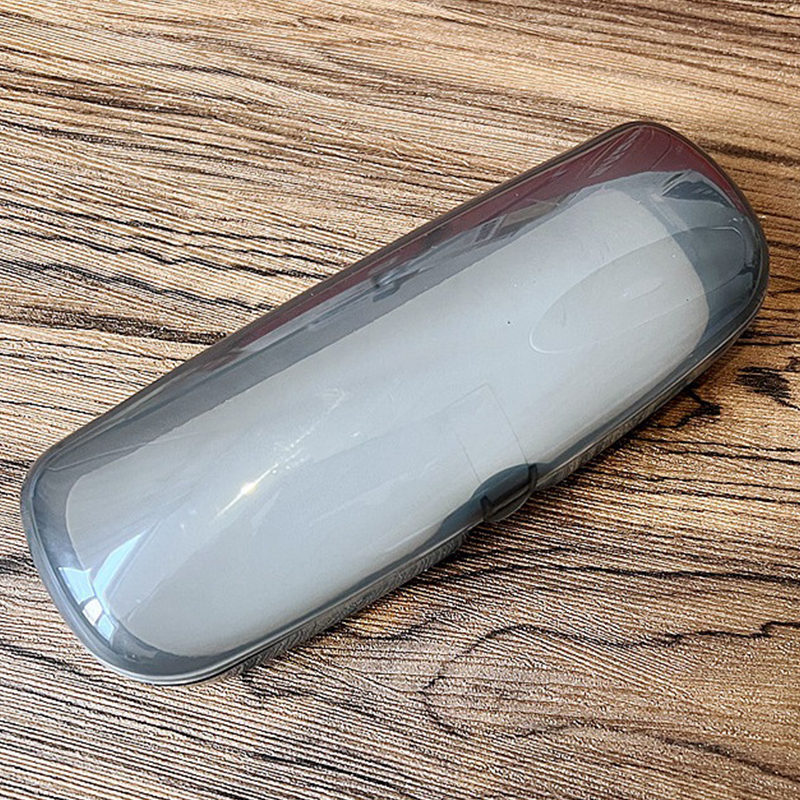
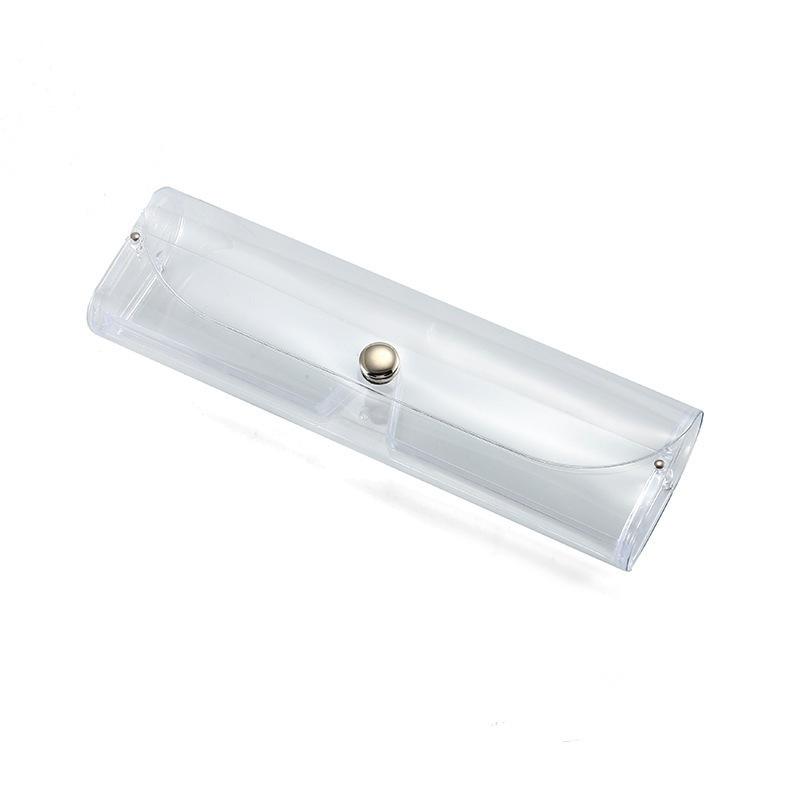
For cleaning, a drop of mild dish soap can be used with water, followed by a thorough rinse. Harsh chemicals, ammonia-based glass cleaners, or alcohol should be avoided as they can permanently damage anti-fog, hydrophobic, and anti-reflective coatings. When not in use, glasses should be stored in a hard case to prevent scratches and crushing. The case itself should be kept clean and dry. Periodically, screw tightness on the hinges and nose pads should be checked, as vibration from riding can loosen them. Adjustments should be made gently to avoid stripping threads or cracking the frame.