
 English
 русский
 Español
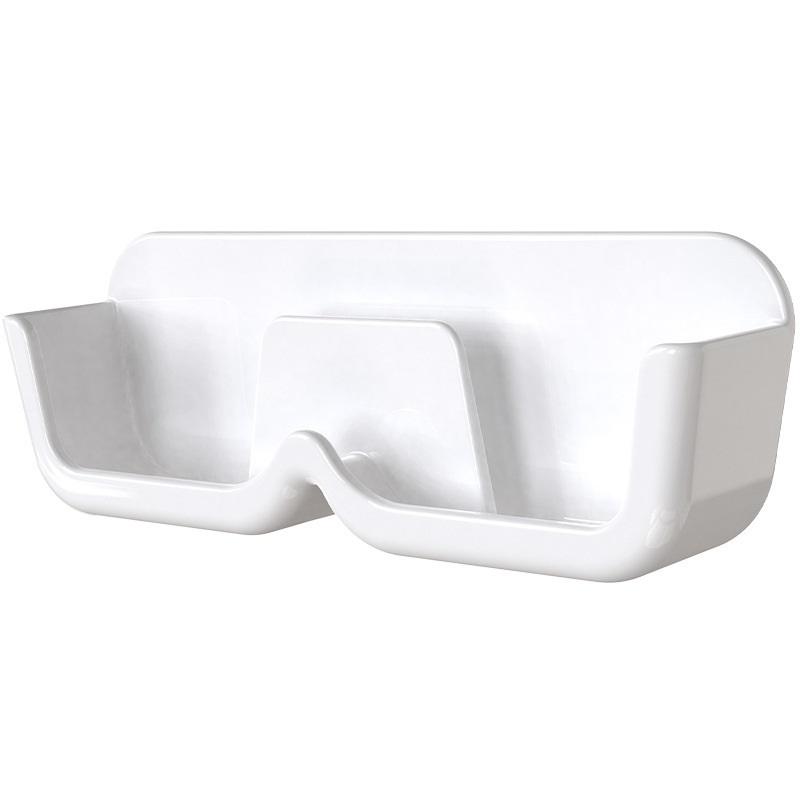
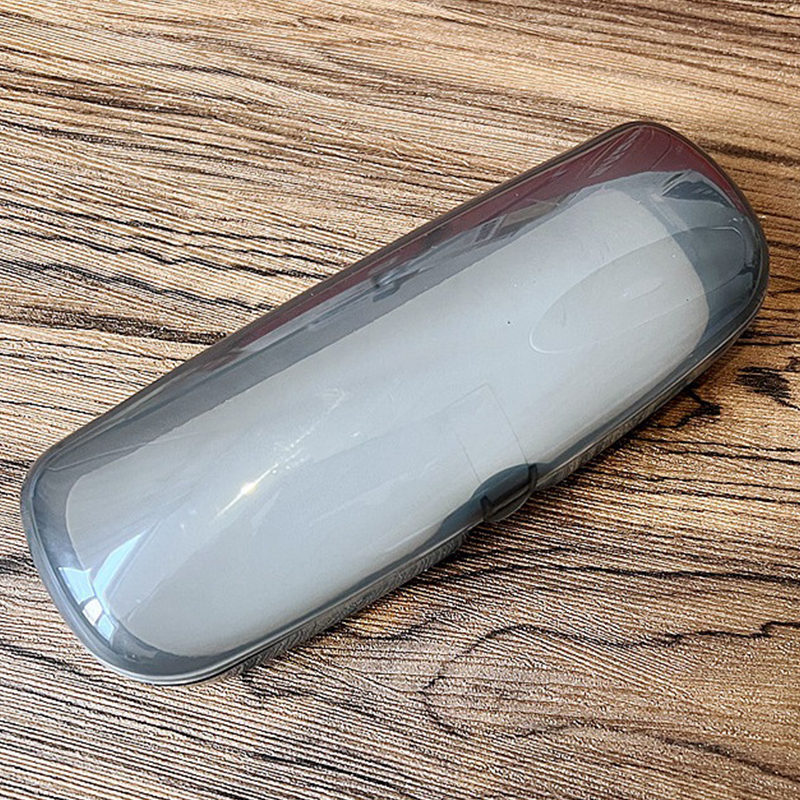
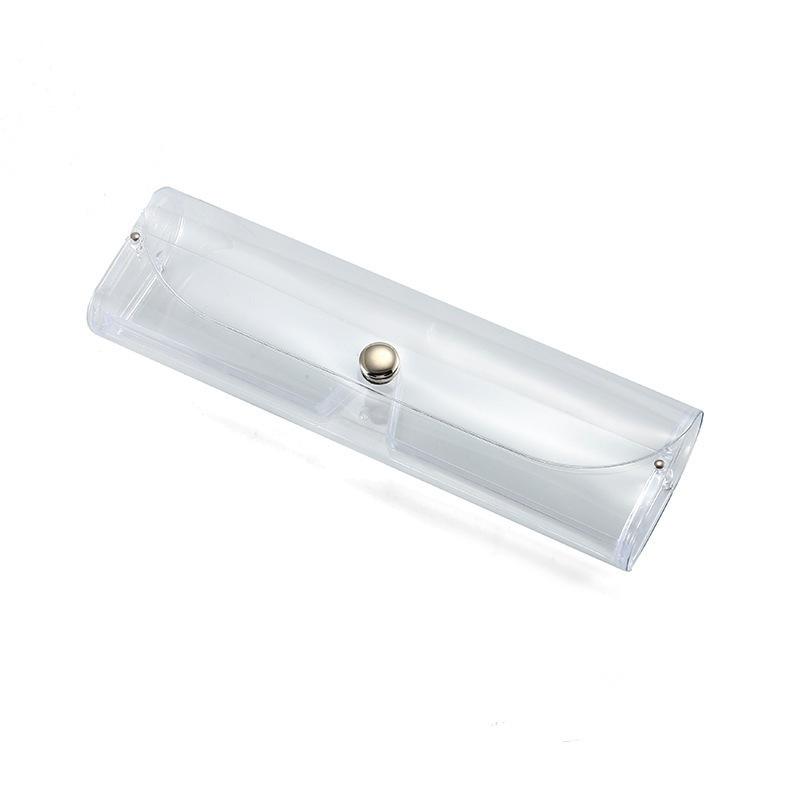
Wall-Mounted Non-porous Eyeglass Storage Case
Elevate your eyewear organization with our Wall-Mounted Non-Porous Eyeglass Storage Case. This thoughtfully designe...







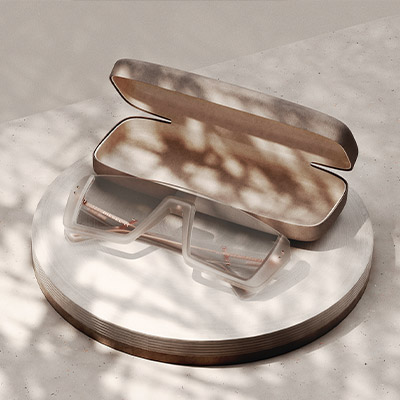
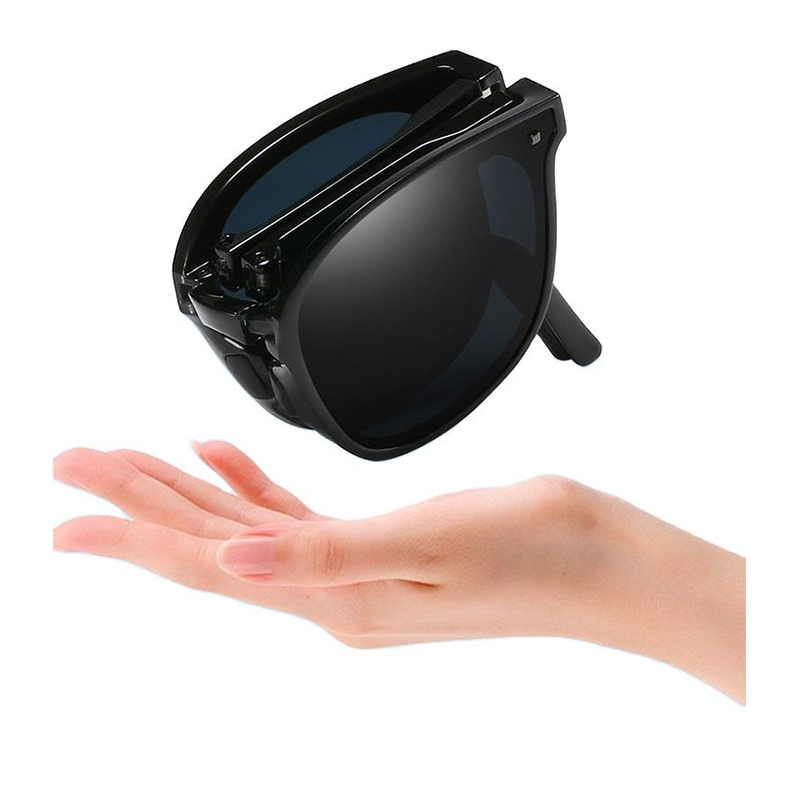
TR optical frames, an abbreviation for a manufacturing process in eyewear production, refer to frames made using a specific method for constructing the front (eye-wire) section. They are known for their durability and distinct layered appearance. Understanding this type of frame involves examining its material composition and construction, the functional and aesthetic reasons for its development, and the practical challenges encountered during its manufacture.
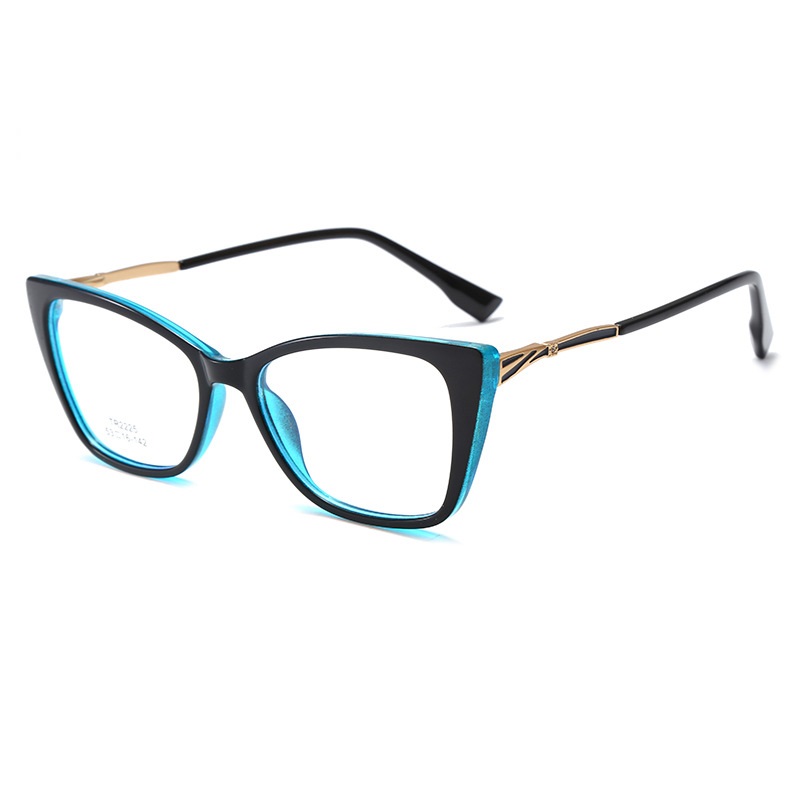
What are the components of TR Optical Frames?
A TR frame is defined by the construction of its front, with other components being similar to standard eyewear.
TR Front: This is the core component. It is not a single piece of plastic but a composite. The process begins with a pre-formed sheet made from nylon plastic granules. This sheet is cut into a rough shape, then placed into a mold and subjected to heat and high pressure. This molding process permanently forms the eye-wire shape, including the bridge and end-pieces, and fuses multiple layers if a multi-color design is used.
Temples (Arms): These are often made from a different material for flexibility. Common choices include acetyl or TR blend materials that are more flexible than the front. They are attached to the front via hinges mounted in the end-pieces.
Hinges: Typically made from stainless steel or nickel-silver alloy, these small metal components allow the temples to fold. They are secured into the TR front with metal screws or ultrasonic welding.
Nose Pads: These are usually made from clear or skin-toned silicone for comfort and grip. They are either integrated into the molded frame (if it is a saddle bridge design) or attached via silicone pad arms that are themselves secured to the frame.
Temple Tips: The ends of the temples are often fitted with flexible plastic or silicone covers to improve comfort behind the ear.
Lens: While not part of the frame structure, the ophthalmic lenses are secured in the eye-wire by a combination of the frame's groove and, in some cases, a nylon cord (string) fitted into a channel, a method common in rimless or semi-rimless designs that can be used with TR frames.
Why do TR Optical Frames exist?
The development and persistence of TR frames are based on a set of material properties and production capabilities that address specific needs in eyewear.
Durability and Impact Resistance
TR frames exist primarily because the nylon-based material and molding process produce a frame with high tensile strength and good resistance to breakage. The material is less brittle than many standard acetates or plastics, making it suitable for active lifestyles and more resistant to damage from dropping or twisting.
Lightweight Comfort and Flexibility
The nylon polymer is inherently lightweight, reducing pressure on the nose and ears during extended wear. While the front is rigid, the material has a degree of flexibility that allows it to withstand some bending force without snapping, contributing to its durable reputation.
Aesthetic Versatility in Manufacturing
The TR molding process allows for efficient production of complex color patterns and layered effects that are difficult to achieve with sheet acetate. By layering different colored plastic sheets before molding, manufacturers can create frames with cores, speckles, or gradients that run through the entire thickness of the material, not just on the surface.
TR Optical Frames Manufacturing Issues
The production of TR frames presents specific technical difficulties that can affect quality, cost, and consistency.
A primary issue is controlling the molding process parameters. The temperature, pressure, and cooling time during the injection or compression molding of the front must be precisely controlled. Inconsistent parameters can bring about defects such as internal stress, which may cause the frame to warp over time, or incomplete fusion of layers in multi-color designs, bring about delamination.
Achieving consistent color and pattern is another challenge. Because the color is integral to the material, batch-to-batch variations in pigment mixing or layer alignment can result in slight differences in hue or pattern placement between production runs. This makes exact color matching for replacement temples or for large orders difficult.
Post-molding finishing and stability require careful handling. After the front is molded, it must be trimmed, polished, and have hinge slots milled with high precision. The nylon material can be sensitive to certain polishing compounds, which may cause hazing or discoloration if not selected correctly. Furthermore, the material's thermal properties mean that frames can become temporarily more flexible if exposed to high heat (like in a car on a sunny day), which may affect fit if they are distorted during wear in such conditions.
Repair limitations are a practical concern. While durable, if a TR frame breaks, it is often difficult or impossible to repair effectively with soldering or adhesives due to the nature of the plastic. The molded, monolithic construction means a broken bridge or eye-wire typically necessitates a full frame replacement.