
 English
 русский
 Español
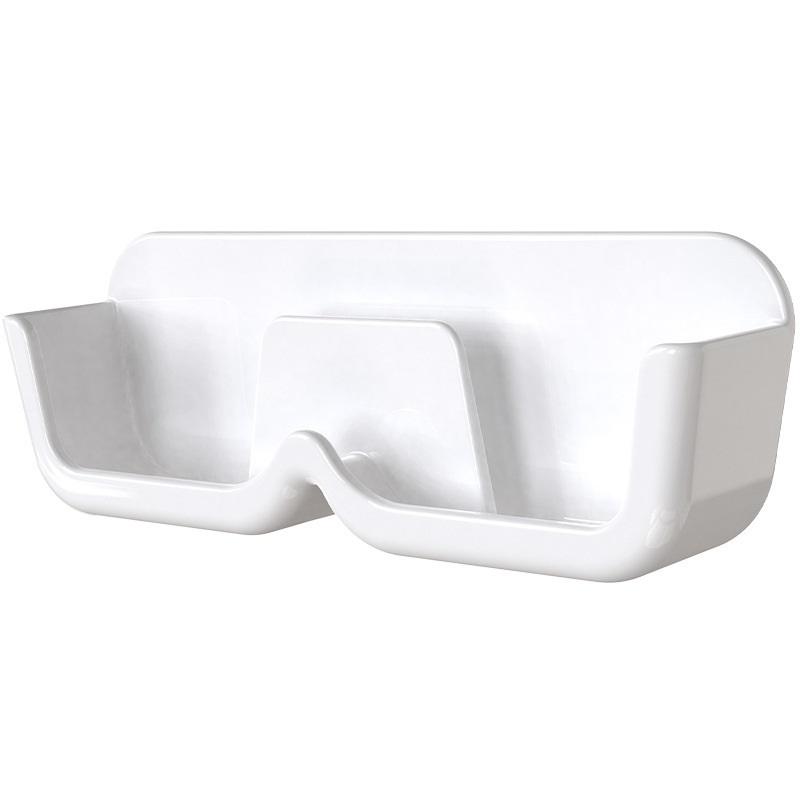
Wall-Mounted Non-porous Eyeglass Storage Case
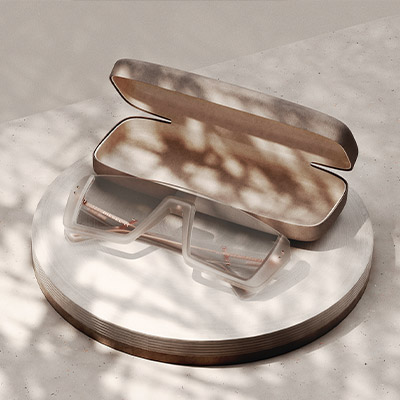
Elevate your eyewear organization with our Wall-Mounted Non-Porous Eyeglass Storage Case. This thoughtfully designe...


Origins of Funny Glasses: Early Novelty Eyewear
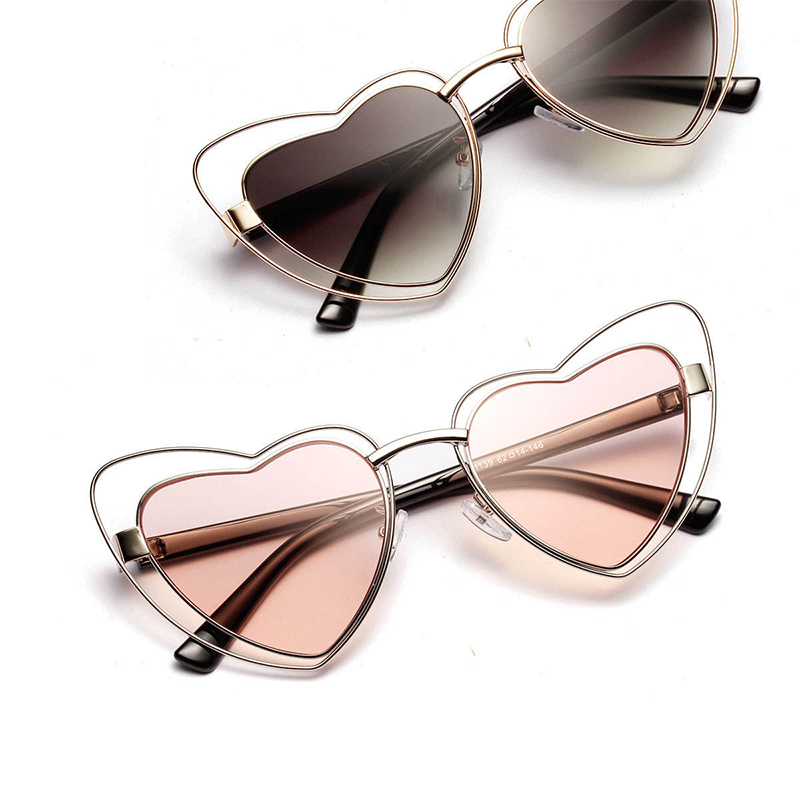
The idea of novelty eyewear can be traced back several decades, originating in theatrical performances, carnivals, and costume events. These early forms of funny glasses were not intended for practical use but rather as tools for entertainment.
Theatrical Roots: In the early 20th century, comedians and performers often used exaggerated glasses on stage to create humorous characters. The glasses typically featured oversized frames, unusual shapes, or artificial mustaches attached to the eyewear. This use highlighted the glasses' potential to evoke laughter and visual interest.
Transition to Social Gatherings: By the mid-20th century, novelty glasses began to appear at parties and informal events. Their designs were inspired by theatrical trends, incorporating exaggerated colors and playful shapes. Early holiday party glasses often mimicked seasonal symbols such as Christmas trees, Santa hats, or pumpkins for Halloween, allowing attendees to participate in themed entertainment without the need for a full costume.
Early Production: Initial funny glasses were handcrafted or produced in small quantities. Materials like metal wire, celluloid, and simple plastic were common, offering flexibility but limited durability. Despite these limitations, these early designs laid the foundation for what would become a mass-market trend.
Material and Design Developments: From Basic to Diverse
Over time, the materials and design of funny glasses for holiday parties evolved to improve durability, comfort, and visual appeal. The introduction of new plastics and synthetic materials allowed designers to expand creative possibilities.
Plastic Frames and Lightweight Materials: The shift from metal or celluloid to lightweight plastics made glasses easier to wear for extended periods, an important factor for party use. Acrylic, polycarbonate, and injection-molded plastics allowed for intricate shapes, bright colors, and seasonal designs without adding significant weight.
Thematic Variety: Design evolution also included a greater variety of themes and motifs. Glasses shaped like reindeer antlers, Santa hats, or fireworks became common for holiday parties. For non-seasonal events, oversized round lenses, heart shapes, or glasses with attached noses and mustaches gained popularity. This variety enabled people of all ages to participate in themed festivities.
Durability and Comfort: Modern designs began to incorporate flexible frames and rounded edges to enhance comfort. Innovations such as adjustable nose bridges and rubberized frame tips improved usability, allowing people to wear them without discomfort for long durations.
Cultural Influence: Growing Popularity in Social Gatherings
The development of funny glasses is closely linked to cultural trends in social events and entertainment. As holiday celebrations and themed parties became more mainstream, novelty glasses became a staple accessory.
Integration into Holidays: In the late 20th century, funny glasses were increasingly associated with specific holidays. Christmas parties, New Year celebrations, and Halloween events often featured themed glasses as part of the decorative and playful atmosphere. The glasses provided a lighthearted way to express creativity and participate in the festive mood.
Media and Pop Culture: Television shows, films, and advertisements also influenced trends. Characters in comedy sketches or party-themed media often wore exaggerated eyewear, promoting the adoption of similar designs in real-life social events. This exposure helped normalize funny glasses as part of holiday and party culture.
Party Favors and Commercialization: Retailers began offering funny glasses as inexpensive party favors or costume accessories. This commercialization made them more accessible and allowed for seasonal variations, creating an expectation that holiday parties would include playful, themed eyewear.
Technological Advancements: Enhancing Novelty and Functionality
In recent years, technological developments have expanded the functionality and visual effects of funny glasses for holiday parties. These innovations have added new dimensions to the traditional novelty concept.
LED and Light-Up Features: Modern funny glasses often incorporate LED lights, glowing frames, or fiber optic elements, creating striking visual effects in dimly lit environments. This development enhances the entertainment value of the glasses, making them popular at evening events and dance parties.
3D Printing and Customization: Advances in 3D printing technology allow for the rapid production of customized glasses. Users can select shapes, sizes, and designs tailored to specific events or personal preferences. This has enabled small businesses and hobbyists to create unique, themed glasses for niche markets.
Interactive Elements: Some glasses now include additional interactive features, such as attachable props, interchangeable lenses, or integrated sound effects. These elements provide playful engagement for partygoers, further increasing the appeal and novelty of the accessory.