
 English
 русский
 Español
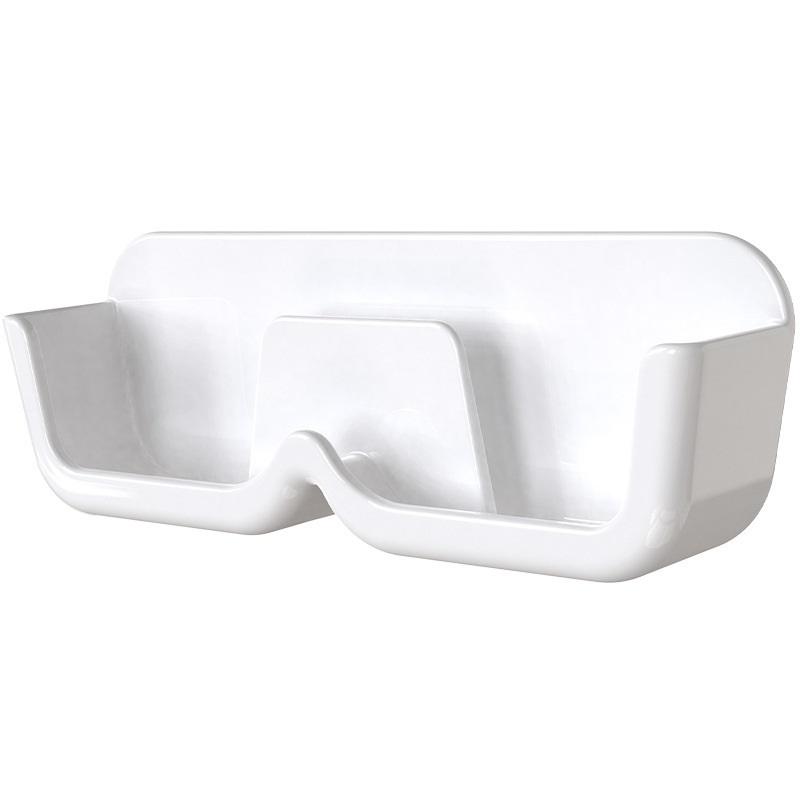
Wall-Mounted Non-porous Eyeglass Storage Case
Elevate your eyewear organization with our Wall-Mounted Non-Porous Eyeglass Storage Case. This thoughtfully designe...






Structural Design and Appearance

Frameless metal glasses, also called rimless glasses, are characterized by the absence of a full frame around the lenses. The lenses are directly attached to the bridge and temples using screws or other fasteners. This design creates a lightweight and minimalistic appearance, offering a subtle and unobtrusive look.
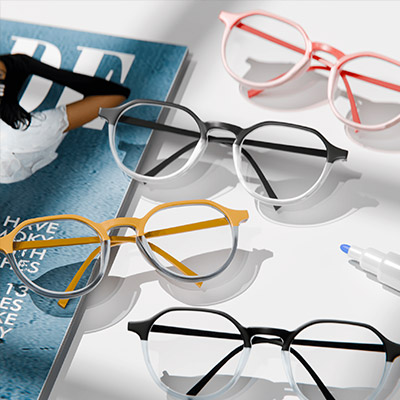
In contrast, full-frame glasses completely surround the lenses with a frame made of plastic, metal, or a combination of both. Full-frame glasses are generally more noticeable and can serve as a fashion statement in addition to their functional role. Semi-rimless glasses combine aspects of both designs, with the frame surrounding only part of the lenses, usually the top edge. The design of frameless glasses makes them visually lighter, while full-frame and semi-rimless options provide more pronounced contours and aesthetic variety.
Weight and Comfort
Frameless metal glasses are often lighter than full-frame or semi-rimless glasses because they use fewer materials. The minimal structure reduces pressure on the nose and ears, which can improve comfort for long periods of wear. This lightweight design also makes frameless glasses less likely to slide down the nose during activity.
Full-frame glasses, depending on the material, may be heavier. Plastic frames tend to add bulk, while metal frames can be slightly heavier but offer more durability. Semi-rimless glasses typically fall between full-frame and frameless in terms of weight. The lightweight nature of frameless metal glasses is particularly appealing for individuals who prioritize comfort and want glasses that are barely noticeable during daily activities.
Durability and Maintenance
Durability is an important factor when comparing eyeglasses. Frameless metal glasses, while lightweight, can be more fragile than full-frame or semi-rimless models. The direct attachment of lenses to the temples and bridge means that any impact on the lenses can breakage or loosening of screws. Regular adjustments may be necessary to maintain proper alignment.
Full-frame glasses, particularly those made from robust plastic or reinforced metal, generally offer greater protection for lenses and withstand more physical stress. Semi-rimless glasses provide a compromise, offering some frame protection along the edges of the lenses while maintaining a lighter overall design. Maintenance for frameless glasses often involves tightening screws and careful handling to prevent damage, whereas full-frame and semi-rimless glasses tend to require less frequent adjustments.
Lens Options and Functionality
Frameless metal glasses can accommodate a wide range of lens types, including single vision, bifocal, and progressive lenses. However, the lack of a full frame can limit the thickness of lenses, particularly for high-prescription requirements, as very thick lenses may be visually noticeable and structurally challenging to secure.
Full-frame glasses are more versatile for thicker lenses or specialized coatings, as the frame can provide additional support. Semi-rimless glasses allow some flexibility, but the lower portion of the lens may remain exposed. For individuals with strong prescriptions or specific lens requirements, full-frame glasses may offer more practical functionality, while frameless glasses are often suited for moderate prescriptions where aesthetics and weight are a priority.
Frameless metal glasses offer a lightweight, minimalistic alternative to traditional eyeglasses. They differ from full-frame and semi-rimless glasses in terms of structural design, weight, durability, and lens options. Frameless glasses are visually subtle and comfortable to wear, but they require careful handling and regular maintenance due to their delicate structure. Full-frame glasses provide robust protection and can accommodate thicker lenses, while semi-rimless glasses balance appearance and structural support. Understanding these differences allows users to choose glasses that meet their specific vision, comfort, and style needs.